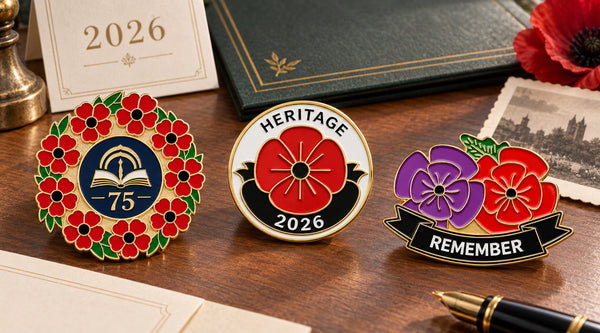
Custom poppy and remembrance pins give organizations a small, visible way to support memorial events, community ceremonies, awareness programs, public service activities, and fundraising campaigns. They can be prepared for staff, volunteers, donors, students, members, event attendees, or community partners.
This type of pin should be planned with care. Poppy imagery and remembrance language often carry historical, cultural, and emotional meaning. The design should be respectful, easy to understand, and appropriate for the audience. It should not imply official affiliation, military authorization, charity endorsement, or use of protected campaign artwork unless the organization has permission.
For most organizations, the goal is not to create a novelty item. The goal is to create a tasteful pin that helps people participate in a shared moment of remembrance.
Related cause-based campaigns can link naturally to <u>Custom Ribbon and Cause Pins for Awareness Campaigns</u>, especially when the remembrance pin is part of a wider awareness or fundraising program.
What Poppy and Remembrance Pins Usually Mean
A poppy pin is commonly associated with remembrance, memorial traditions, service, and honoring sacrifice. The red poppy is widely recognized in many remembrance contexts, but the exact meaning, wearing customs, and campaign rules can vary by country, region, and organization.
For custom work, the safest approach is to design around the organization’s own event purpose rather than copying official campaign artwork. A poppy-inspired lapel pin can include a red flower, ribbon detail, date, event name, or organization mark, but it should not create confusion about sponsorship or authorization.
In short: a poppy remembrance pin usually communicates memory, respect, and participation. A custom version should keep that message clear and dignified.

When Organizations Use Custom Remembrance Pins
Organizations use remembrance pins when they need a wearable item that supports an event, identifies a group, thanks participants, or creates a keepsake.
| Organization Need | Suitable Pin Use | Buyer Note |
|---|---|---|
| Memorial ceremony | Pins for attendees, volunteers, or honorees. | Keep the design formal and understated. |
| Community event | Participation or keepsake pins. | Include year or event name if appropriate. |
| Public service program | Department, staff, or partner pins. | Avoid unsupported official claims. |
| School or club activity | Educational remembrance pins. | Use clear wording and simple presentation. |
| Fundraising campaign | Donor thank-you pins. | Keep the message respectful. |
| Volunteer recognition | Pins for event helpers. | Use backing cards to explain the role. |
Design Options for Custom Remembrance Pins
A remembrance pin usually works best when the design is restrained. Too much text or too many symbols can make the pin feel crowded or less sincere.
Useful design options include:
- red poppy lapel pins
- remembrance poppy pins
- poppy and ribbon pins
- memorial date pins
- black enamel remembrance pins
- antique gold commemorative pins
- organization logo plus poppy detail
- carded remembrance event pins
- volunteer memorial pins
Color, Finish, and Tone
Red enamel is common for poppy-inspired designs. Gold can feel ceremonial. Silver can feel neutral. Black enamel can support a memorial tone. Antique finishes can make the design feel more traditional or commemorative.
Text and Logo Placement
Keep pin text short. A date, event name, or short phrase may work, but longer explanations belong on a backing card. If a logo is used, it should support the remembrance theme rather than dominate it.
Backing Cards and Presentation
Backing cards are valuable for remembrance pins because they can explain the event, include a thank-you message, identify the organization, and provide respectful context. Formal ceremonies may need boxed or carded presentation.

How Organizations Should Plan a Custom Pin Order
A remembrance event often has a fixed date, so the order plan should be practical from the beginning.
Before requesting a quote, prepare:
- event name and date
- recipient groups
- quantity by group
- design concept
- approved logo, if used
- preferred pin size
- enamel colors
- metal finish
- backing type
- card or packaging needs
- delivery deadline
- future reorder needs
Example: an organization may need 300 attendee pins, 60 volunteer pins, 25 presenter pins, and 100 donor thank-you pins. If those groups need different cards or packaging, they should be separated before production.
Respectful Approval Checklist
Before approving the final proof, check:
- Is the event purpose clear?
- Is the wording accurate and respectful?
- Are protected symbols avoided unless permission exists?
- Does the design avoid implying official endorsement?
- Is the poppy or remembrance detail tasteful?
- Is the date correct?
- Is the pin readable at actual size?
- Is extra context placed on a backing card when needed?
- Does the presentation method fit the ceremony or campaign?
What does a red poppy pin mean?
A red poppy pin is commonly associated with remembrance and memorial traditions. Meaning and wearing customs can vary, so organizations should handle custom designs carefully.
Can an organization order custom poppy pins?
Yes. Organizations can order custom poppy-inspired or remembrance-themed pins, but they should avoid copying protected designs or implying official authorization unless permission exists.
What should a remembrance pin include?
Common elements include a poppy shape, ribbon detail, date, short phrase, organization name, or simple logo. Longer explanations usually work better on a backing card.
Can remembrance pins be used for fundraising?
Yes, when the tone is respectful. The pin should support the campaign purpose without making remembrance feel like a generic promotion.
Request Custom Poppy and Remembrance Pins
A custom remembrance pin should begin with the event purpose and audience. Define the design restrictions, quantity, presentation format, and deadline before production begins. With careful planning, organizations can create poppy and remembrance pins that are respectful, easy to distribute, and appropriate for ceremonies, public service programs, awareness campaigns, and community events.